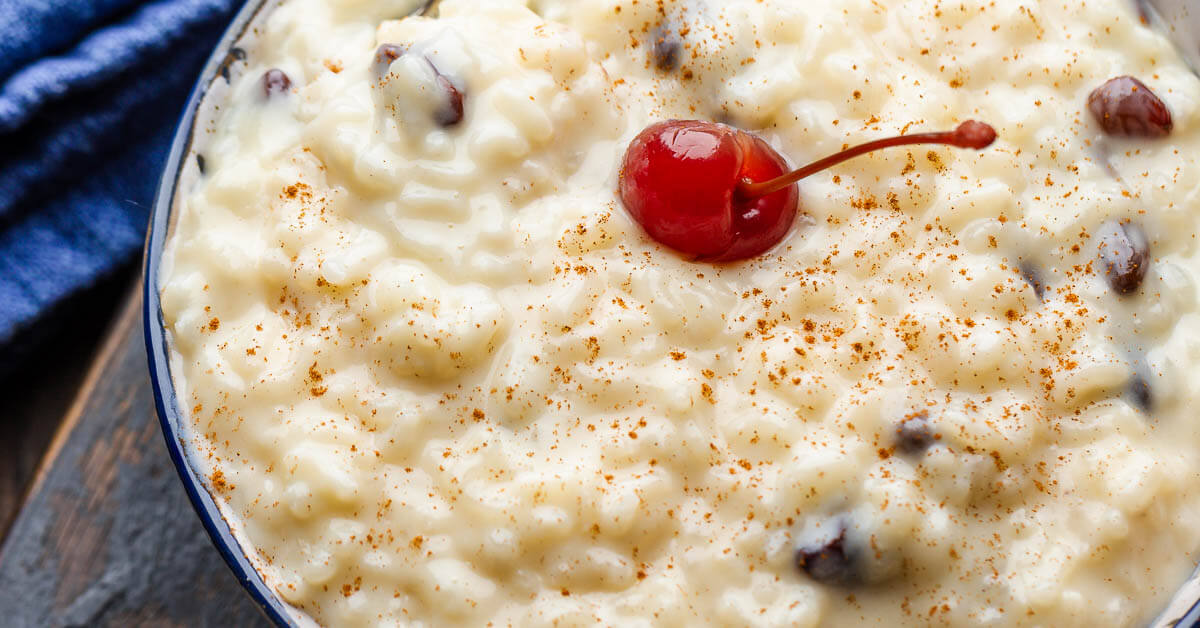
Homemade Rice Pudding: Your Blueprint for Unrivaled Creaminess
Few desserts evoke such a profound sense of comfort and nostalgia as homemade rice pudding. This timeless classic, celebrated in diverse forms across countless cultures – from India’s *kheer* to Latin America’s *arroz con leche* – offers a gentle sweetness and a truly satisfying texture that appeals to all ages. While seemingly simple, achieving that signature flawless, creamy consistency can feel like an elusive art. But fear not, aspiring pudding masters! This comprehensive guide will unravel the secrets, providing you with all the tips and tricks needed to transform humble ingredients into a truly indulgent, velvety treat every single time.
At its heart, rice pudding is a beautiful marriage of rice, milk, sugar, and often eggs, lovingly cooked until the grains surrender their starch, creating a rich, custard-like base. Whether you prefer it warm and spoonable straight from the pot, or chilled and firm enough to slice, the journey to a perfect batch begins with understanding the fundamental principles. Let's dive deep into the essential elements that guarantee a creamy, dreamy experience.
The Foundation of Flawless Creaminess: Ingredients Matter
The quality and type of your core ingredients lay the groundwork for a truly exceptional rice pudding. Don't underestimate their impact!
Choosing the Right Rice: The Starch Secret
The type of rice you select is perhaps the single most critical factor in achieving a creamy texture. While variations exist globally, the consensus for a truly unctuous pudding points to
short-grain rice. Why? These varieties are naturally rich in amylopectin, a type of starch that releases readily during slow cooking, creating that desirable sticky, creamy consistency.
*
Pudding Rice: Often specifically labeled, this is a sure bet.
*
Arborio or Carnaroli: Italian short-grain rices famous for risotto. Their ability to absorb liquid and release starch makes them excellent choices for a creamy pudding.
*
Sushi Rice: Another great option, as it’s designed to be sticky and tender.
Avoid long-grain or basmati rice, as their lower starch content will result in a more separate, drier, and less creamy pudding. For optimal results, gently rinse your chosen rice under cold water before cooking. This simple step removes excess surface starch, preventing the pudding from becoming overly sticky or clumpy, and ensures the grains cook evenly.
The Power of Dairy: Whole Milk and Beyond
For that quintessential rich, creamy texture,
whole milk is non-negotiable. Its higher fat content contributes significantly to the pudding's luxurious mouthfeel and flavor. Skim milk or even 2% milk will yield a noticeably thinner, less satisfying result.
For an extra layer of decadence, consider incorporating a portion of heavy cream or half-and-half into your milk mixture. A ratio of 4 cups whole milk to 2 cups heavy cream, for example, will elevate your pudding to a truly gourmet level. While non-dairy alternatives like almond or oat milk can be used for dietary reasons, be prepared for a different texture – typically less rich and creamy. If using them, you might consider adding a touch more fat in other forms, such as coconut cream or even a small amount of cornstarch slurry towards the end, to help thicken the mixture.
Sweeteners and Flavor Enhancers
The sweetness in rice pudding should be delicate, complementing the creamy base rather than overpowering it. Granulated sugar is standard, but you can experiment with light brown sugar for a hint of caramel, or even a touch of maple syrup for added depth.
Vanilla extract is the soul of classic rice pudding, lending a warm, aromatic note. For best results, add it towards the end of the cooking process to preserve its delicate flavor. Beyond vanilla, the spice cabinet offers a world of possibilities:
*
Cinnamon: A classic pairing, either stirred in or sprinkled on top.
*
Nutmeg: A pinch adds a subtle warmth.
*
Cardamom: For an exotic, fragrant twist (especially if drawing inspiration from *kheer*).
*
Citrus Zest: Lemon or orange zest can provide a bright counterpoint to the richness.
*
Dried Fruits: Raisins, cranberries, or chopped apricots can be added during the final stages of cooking for bursts of sweetness and chewiness.
The Egg Factor: For Ultimate Custard Richness (Optional but Recommended)
While many beloved recipes omit them, incorporating eggs is the secret to a truly rich, custard-like rice pudding with an almost silky texture. Eggs provide structure and additional creaminess, transforming the pudding into something truly special. If you choose to use them, tempering is key to prevent them from scrambling.
Towards the end of cooking, once the rice is tender and the pudding has thickened:
1. Whisk 1-2 large egg yolks (or whole eggs, depending on preference for richness vs. firmness) in a separate bowl.
2. Gradually whisk about 1 cup of the hot rice pudding into the eggs, slowly bringing their temperature up.
3. Pour the tempered egg mixture back into the saucepan with the remaining pudding, stirring constantly.
4. Continue to cook over low heat for another 2-5 minutes, stirring, until the pudding has thickened further to your desired consistency. *Do not boil* once the eggs are added, as this can cause them to curdle.
Mastering the Method: Slow and Steady Wins the Race
With the right ingredients in hand, technique becomes paramount. The cooking process for creamy rice pudding is a lesson in patience and gentle attention.
Preparation Pointers: Rinsing and Combining
As mentioned, begin by rinsing your rice under cold water until the water runs clear. This essential step removes surface starch, ensuring your pudding won't become a sticky, gummy mess. In a large, heavy-bottomed saucepan (which helps prevent scorching), combine your rinsed rice, 3 cups of whole milk, sugar, and a pinch of salt. The salt is crucial, as it balances the sweetness and enhances all the other flavors.
The Art of the Simmer: Low Heat, Frequent Stirring
Place your saucepan over medium heat and bring the mixture to a gentle simmer. Once bubbles begin to appear, immediately reduce the heat to low. This is where the magic happens: a slow, gentle simmer is paramount for achieving a velvety texture. High heat will cause the rice grains to burst prematurely, resulting in a grainy, rather than creamy, pudding.
Let the pudding cook uncovered for about 20-25 minutes, stirring frequently. This constant attention serves two vital purposes:
1.
Prevents Sticking and Scorching: Rice pudding, especially with its high starch content, loves to stick to the bottom of the pan and scorch. Frequent stirring prevents this disaster.
2.
Promotes Creaminess: Stirring helps to release the starch evenly from the rice grains into the milk, contributing directly to that luxurious, creamy consistency.
Achieving Your Ideal Consistency
After the initial cooking period, the rice should be soft, and the mixture will have visibly thickened. Now, pour in the remaining 3 cups of whole milk and, if using, your vanilla extract. Increase the heat slightly to maintain a gentle simmer and continue to cook for another 10-15 minutes, stirring frequently.
The pudding will continue to thicken as it cools, so aim for a consistency that is slightly thinner than your ultimate desired thickness while it’s still hot. If you prefer a very thick, almost sliceable pudding, cook it for a few minutes longer. For a thinner, more spoonable texture, you can add an extra splash of warm milk towards the end of cooking or when reheating.
The Finishing Touches
Once your rice pudding has reached its desired consistency, remove it from the heat. If you've opted for the egg factor, this is when you'd complete that step. Stir in any additional flavorings like lemon zest or dried fruits. Let it cool for a few minutes before serving warm, or transfer it to a serving dish, cover, and chill thoroughly for a delightful cold treat. A final sprinkle of ground cinnamon or nutmeg before serving is always a welcome flourish.
If you're eager to try another classic, be sure to check out our
Old-Fashioned Rice Pudding: Your Guide to Creamy Perfection for more tried-and-true methods.
Troubleshooting Your Way to Rice Pudding Perfection
Even with the best intentions, a few common hiccups can arise. Here’s how to navigate them for a truly flawless result.
Too Thin or Too Thick?
*
Too Thin: If your pudding is too runny, simply return it to low heat and continue to simmer, stirring frequently, until it thickens to your liking. Remember, it will thicken more as it cools.
*
Too Thick: No problem! Stir in an extra splash of warm milk (or cream) until you achieve the desired consistency. This is especially useful when reheating chilled pudding.
Grainy Texture Blues
A grainy texture almost always stems from cooking the rice too quickly or at too high a heat. The solution lies in patience. Ensure you reduce the heat to low once simmering begins and maintain a gentle simmer throughout the cooking process. Cooking "low and slow" allows the rice grains to gradually absorb the liquid and release their starches without breaking apart unevenly.
Preventing Scorching and Sticking
This common issue is easily avoided with two simple rules:
1.
Use a Heavy-Bottomed Pan: This distributes heat more evenly, reducing hot spots.
2.
Stir Frequently: Especially in the initial stages of cooking, consistent stirring prevents the rice from settling and burning at the bottom. Scrape the bottom and sides of the pan with your spoon as you stir.
For a detailed, step-by-step walkthrough, our guide on how to
Master Classic Rice Pudding: Step-by-Step for Creamy Results offers invaluable assistance.
Serving Suggestions & Creative Twists
The beauty of homemade rice pudding lies in its versatility. It’s a canvas for countless delicious variations.
Warm Hug or Chilled Delight?
*
Warm: Many prefer rice pudding served warm, straight from the stovetop, offering a comforting embrace in every spoonful. The texture is softer and more yielding.
*
Chilled: As it cools, the pudding will firm up considerably, developing a denser, more custard-like texture. Chilled rice pudding is incredibly refreshing, especially with fresh fruit.
Elevating with Toppings
While a simple dusting of cinnamon is classic, don't hesitate to get creative:
*
Fresh Fruit: Berries, sliced bananas, or diced mango add freshness and color.
*
Nuts: Toasted slivered almonds, pistachios, or walnuts provide a delightful crunch.
*
Sauces: A drizzle of caramel, chocolate sauce, or a fruit compote (like cherry or berry) can transform the dish.
*
Coconut Flakes: Toasted coconut adds a tropical note.
Global Inspirations
Consider incorporating elements from international variations: a touch of rosewater or saffron for a Persian-inspired pudding, or lime zest and dulce de leche for an *arroz con leche* flair. The possibilities are truly endless.
Homemade rice pudding is more than just a dessert; it's an experience. By understanding the critical role of ingredients like short-grain rice and whole milk, and mastering the gentle art of low-and-slow cooking with frequent stirring, you're well on your way to achieving a consistently flawless, creamy texture. Don't be afraid to experiment with flavors and toppings to make this timeless comfort food uniquely yours. So, gather your ingredients, take your time, and prepare to savor every comforting, velvety bite of your perfect homemade rice pudding.