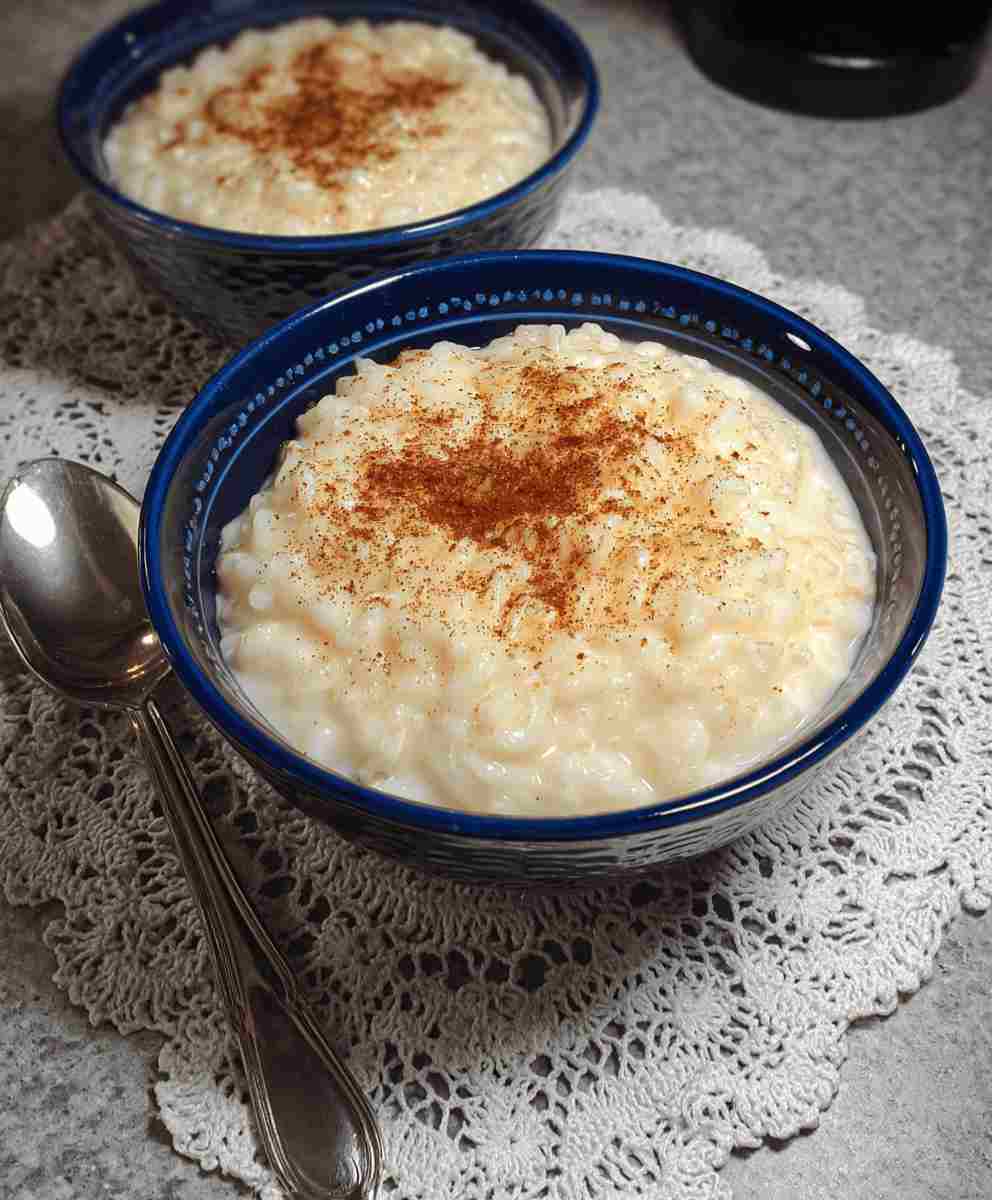
Old-Fashioned Rice Pudding: Your Guide to Creamy Perfection
Few desserts evoke such a profound sense of warmth, nostalgia, and home as old-fashioned
rice pudding. This timeless treat, creamy, gently sweet, and often infused with comforting spices, has graced tables for centuries across countless cultures. Whether you crave it warm and spoonable straight from the stovetop or prefer it chilled and sliceable from the fridge,
rice pudding is a universally beloved dessert that transcends generations. It’s more than just a dish; it’s a culinary hug, a sweet embrace of childhood memories and comforting flavors. In this comprehensive guide, we'll delve deep into every detail, from selecting the ideal rice to mastering the perfect spice blend, ensuring you achieve flawless, creamy perfection every single time.
The Enduring Appeal of Classic Rice Pudding
At its heart, old-fashioned
rice pudding is a classic custard-style dessert. It masterfully combines simple ingredients – rice, milk, sugar, and often eggs – which are slowly cooked until the rice grains are tender and swollen, and the mixture transforms into a luscious, velvety cream. This slow-cooking process is the secret to its signature texture and depth of flavor.
While many adore the soft, spoonable texture achieved on the stovetop, others prefer the firmer, often slightly chewier consistency that comes from baking. Each method offers a unique experience, appealing to different preferences while delivering that unmistakable comforting taste.
Indeed, the concept of a rice-based dessert is a global phenomenon. From the aromatic Kheer of India, rich with cardamom and saffron, to the sweet, cinnamon-spiced Arroz con Leche found throughout Latin America,
rice pudding variations are celebrated worldwide. This global presence underscores its versatility and universal appeal, adapting to local tastes while retaining its core comforting essence. And just as these international culinary traditions understand the importance of grain choice, so too does selecting the right rice make a profound difference in the final texture of your old-fashioned version.
Essential Ingredients for Unforgettable Creaminess
Crafting the perfect
rice pudding begins with understanding the role of each ingredient. Quality and choice truly matter here, influencing everything from texture to flavor profile.
The Foundation: Choosing Your Rice
The type of rice you use is perhaps the most critical decision, as it significantly impacts the pudding's texture. For traditional old-fashioned
rice pudding, short-grain white rice, such as Arborio (commonly used for risotto) or a dedicated pudding rice, is highly recommended. These varieties are naturally starchier than long-grain rice. As they cook, they release this starch, which helps to naturally thicken the pudding and create that desirable creamy consistency without needing excessive thickeners. Avoid long-grain or basmati rice, as they tend to cook up too separately and produce a less cohesive, less creamy result.
Before cooking, it’s a crucial first step to rinse your rice thoroughly under cold water. This simple action helps remove excess surface starch, preventing the pudding from becoming overly sticky or clumpy during the slow cooking process. Think of it as preparing your rice to absorb the milk beautifully rather than just dissolving into it.
The Liquid Gold: Milk Matters Most
For a truly rich, authentic, and supremely creamy texture, whole milk is indispensable. The fat content in whole milk is key to achieving that luxurious mouthfeel and deep flavor profile that defines old-fashioned
rice pudding. Skim milk or even reduced-fat milk simply won’t deliver the same richness, often resulting in a thinner, less satisfying pudding. While plant-based alternatives like almond milk or oat milk can be used for dietary reasons, be aware that they will significantly alter the flavor and texture, leading to a less creamy and less traditional outcome. If experimenting with alternatives, consider adding a touch of cream or a few extra egg yolks to boost richness.
Sweetness and Spice: The Heart of the Flavor
Granulated sugar is the standard sweetener, easily adjusted to your personal taste. Remember that the sweetness intensifies as the pudding cools, so taste and adjust cautiously during cooking.
Vanilla extract is the soul of old-fashioned
rice pudding, imparting a warm, aromatic flavor that is instantly comforting. Add it towards the end of cooking to preserve its delicate notes. Beyond vanilla, ground cinnamon is the quintessential topping, adding a delightful spice and visual appeal. However, don't be afraid to experiment! A pinch of freshly grated nutmeg can add a subtle warmth, while a bit of lemon or orange zest can brighten the entire dish. For those who love a textural contrast, a handful of plump raisins, dried cranberries, or even chopped apricots can be stirred in during the final cooking stages. These additions make
homemade rice pudding incredibly versatile and adaptable to your unique preferences.
Mastering the Craft: A Step-by-Step Approach
Creating creamy, perfect
rice pudding isn't complicated, but it does require patience and attention to detail. Follow these steps for success:
- Rinse the Rice: As mentioned, begin by rinsing 1 cup of short-grain rice under cold running water until the water runs clear. Drain well.
- Initial Simmer: In a heavy-bottomed saucepan, combine 3 cups of whole milk with the rinsed rice, along with ½ cup of granulated sugar and a pinch of salt. The salt is crucial for balancing the sweetness and enhancing the overall flavor.
- Gentle Heat, Constant Stirring: Place the saucepan over medium heat and bring the mixture to a gentle simmer. This is where patience comes in! Crucially, stir frequently – every few minutes – to prevent the rice from sticking to the bottom of the pan and scorching. Scorched milk will ruin the delicate flavor of your pudding.
- Slow Cook to Thicken: Once simmering, reduce the heat to low. Let the pudding cook uncovered, continuing to stir frequently, for about 20-25 minutes. During this phase, the rice will soften, plump up, and absorb much of the milk, causing the mixture to visibly thicken. Keep a close eye on it, adjusting heat as needed to maintain a very gentle simmer.
- Second Milk Addition & Flavoring: After the first cooking period, the pudding should be noticeably thick. Pour in the remaining 3 cups of whole milk and stir in 1-2 teaspoons of good quality vanilla extract. Increase the heat slightly to bring it back to a gentle simmer.
- Final Simmering for Consistency: Continue to simmer for another 10-15 minutes, stirring often, until the pudding reaches your desired consistency. Remember, rice pudding will continue to thicken significantly as it cools, so err on the side of slightly looser if you prefer a very creamy result.
For a deep dive into mastering this process, refer to our comprehensive guide:
Master Classic Rice Pudding: Step-by-Step for Creamy Results.
Troubleshooting and Expert Tips for Flawless Results
Even with a perfect recipe, a few common issues can arise. Here’s how to ensure your
rice pudding is always a triumph:
- Preventing Sticking and Scorching: The golden rule is "low and slow" heat combined with frequent stirring. A heavy-bottomed pot also helps distribute heat more evenly and reduces the risk of burning. If you do notice any sticking, immediately scrape the bottom with a wooden spoon and reduce the heat further.
- Achieving a Velvety Texture: Rushing the cooking process by using high heat will result in rice that's cooked on the outside but still firm inside, leading to a grainy, rather than creamy, texture. The slow simmer allows the rice grains to gradually release their starch and fully absorb the milk, creating that beloved velvety consistency.
- Adjusting Consistency: If your pudding becomes too thick, especially after cooling, simply stir in an extra splash of warm milk or cream until it reaches your preferred creaminess. Conversely, if you prefer a thicker pudding, allow it to cook for a few more minutes, stirring constantly, until it reduces further.
- Customizing Flavors: Don't limit yourself to vanilla and cinnamon. Consider adding a few cardamom pods during the initial simmer for an Indian-inspired twist, or a star anise for an aromatic note. A swirl of fruit compote, a sprinkle of toasted nuts, or even a dollop of whipped cream can elevate your serving.
- Baking for a Different Texture: If you desire a firmer, almost sliceable rice pudding with a delicious golden-brown top, consider baking it. After the initial stovetop cooking, transfer the partially cooked pudding to a baking dish, cover, and bake at a low temperature (around 300°F/150°C) for an hour or two, uncovering for the last 30 minutes. Adding an egg yolk or two to the mixture before baking will also contribute to a richer, firmer custard.
For more in-depth advice on achieving that perfect texture, our article
Homemade Rice Pudding: Tips for a Flawless, Creamy Texture offers invaluable insights.
Serving and Storage
Once your
rice pudding is done, you have a choice: serve it warm, straight from the pot, perhaps with a generous sprinkle of ground cinnamon or nutmeg. Or, let it cool completely to room temperature, then chill it in the refrigerator for a few hours. Chilled
rice pudding offers a denser, richer experience, often enjoyed with fresh berries or a drizzle of maple syrup. The pudding will continue to thicken significantly as it cools, so don't be alarmed if it seems a bit loose when hot.
Leftovers can be stored in an airtight container in the refrigerator for up to 3-4 days. If reheating, you may find it has thickened considerably. Simply add a splash of milk or cream and stir gently over low heat until it returns to your desired consistency.
Conclusion
Old-fashioned
rice pudding is more than just a dessert; it’s a testament to the power of simple ingredients, patient cooking, and comforting flavors. Its ability to transport us back to cherished memories with every creamy spoonful is truly unique. By understanding the nuances of ingredient selection, mastering the slow-cooking process, and embracing a few expert tips, you can consistently create a perfectly creamy, delightfully sweet, and endlessly satisfying
rice pudding that will surely become a staple in your own home. So, gather your ingredients, set aside some time, and embark on your journey to create this ultimate comfort classic. Enjoy your journey to creamy perfection!