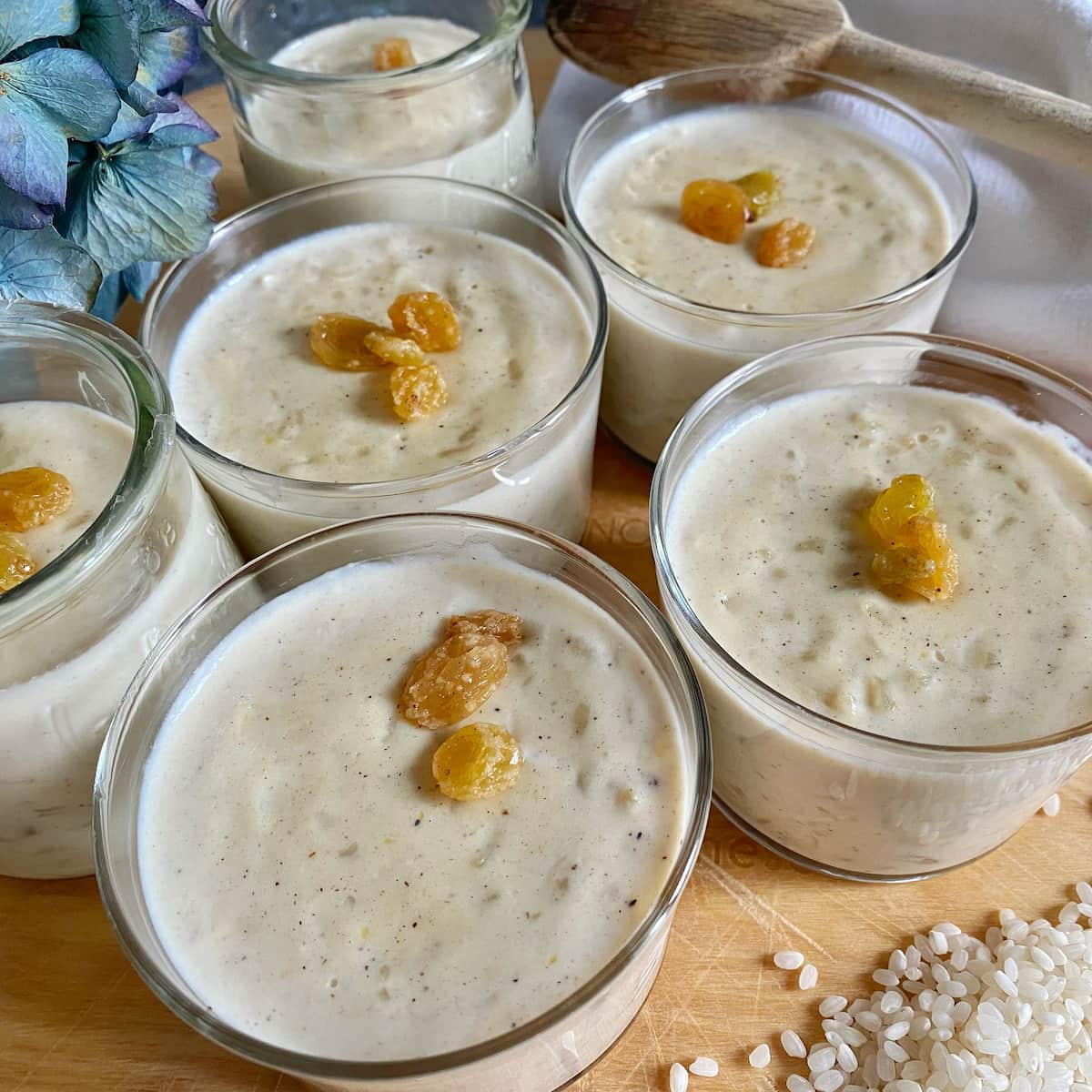
The Timeless Comfort of Classic Rice Pudding
Few desserts evoke such a powerful sense of warmth and nostalgia as a bowl of classic
rice pudding. This humble yet profoundly satisfying treat, with its creamy texture, gentle sweetness, and comforting spice notes, has graced tables and hearts for centuries across countless cultures. Whether you crave it warm and spoonable straight from the pot or prefer it chilled and dense from the fridge,
rice pudding is a truly timeless dessert that delights every generation. This comprehensive guide will equip you with all the knowledge and techniques needed to master this beloved dish, ensuring exquisitely creamy results every single time.
At its core, old-fashioned
rice pudding is a simple custard-style dessert. It's crafted from a blend of rice, milk, sugar, and often eggs, all slowly cooked until the rice grains are tender and the mixture achieves a luscious, creamy consistency. While the stovetop method yields a soft, indulgent dessert perfect for scooping, baking offers a firmer, sometimes sliceable texture. Indeed, the global presence of this dish is a testament to its universal appeal – from the aromatic kheer of India to the sweet arroz con leche of Latin America, variations of
rice pudding are cherished worldwide. Just as these diverse culinary traditions have their preferred rice varieties, the grain you select for your pudding will significantly influence its final texture and overall success.
Laying the Foundation: Essential Ingredients for Perfect Rice Pudding
The secret to an unforgettable
rice pudding begins with choosing the right ingredients. Each component plays a vital role in achieving that coveted creamy texture and rich flavor.
- The Right Rice: This is arguably the most critical choice. For authentic old-fashioned rice pudding, opt for short-grain or medium-grain white rice, such as Arborio, Carnaroli, or even basic pudding rice. These varieties are naturally high in starch, which is gradually released during slow cooking, creating the velvety texture we all adore. Long-grain rice, while commonly found, will result in a less creamy, more separate grain texture.
- Full-Fat Milk is Non-Negotiable: For the ultimate creamy outcome, whole milk is essential. Its higher fat content contributes significantly to the pudding's rich mouthfeel and overall flavor. While you might be tempted to use skim milk or non-dairy alternatives like almond or oat milk, be aware that these will yield a thinner, less luxurious pudding. If using non-dairy, opt for a full-fat version (like full-fat coconut milk for a tropical twist, or a barista-style oat milk for better creaminess).
- Sweetener: Granulated sugar is the traditional choice, providing a clean sweetness. However, feel free to experiment with brown sugar for a hint of caramel, or even a touch of maple syrup or honey for a different depth of flavor. Remember that the pudding will taste sweeter as it cools.
- Salt: A small pinch of salt is crucial. It balances the sweetness and enhances all the other flavors, preventing the pudding from tasting flat.
- Flavor Boosters:
- Vanilla Extract: This is the cornerstone of classic rice pudding flavor. Pure vanilla extract adds a warm, aromatic note that is simply indispensable.
- Spices: Ground cinnamon is a classic topping, but a pinch stirred in during cooking or a dash of nutmeg can add wonderful complexity. Cardamom pods, often used in Indian kheer, offer a unique, fragrant twist.
- Optional Add-ins: Lemon zest provides a bright, refreshing counterpoint to the richness. Dried fruits like raisins, cranberries, or chopped apricots can be stirred in towards the end for bursts of chewy sweetness.
Step-by-Step Guide to Achieving Creamy Stovetop Rice Pudding
Patience is a virtue, especially when it comes to making truly exceptional
rice pudding. The "low and slow" approach is the golden rule here.
- Prepare the Rice: Begin by rinsing your chosen rice under cold running water. You can place it in a fine-mesh sieve and rinse until the water runs clear. This step is vital as it removes excess surface starch, which helps prevent the pudding from becoming overly sticky or clumpy during cooking, ensuring each grain cooks beautifully.
- Initial Simmer and Infusion: In a large, heavy-bottomed saucepan, combine 3 cups of whole milk with the rinsed rice, sugar, and salt. A heavy bottom prevents scorching. Place the saucepan over medium heat and bring the mixture to a gentle simmer, stirring occasionally to ensure the rice doesn't settle or stick to the bottom. As soon as you see small bubbles, reduce the heat to very low.
- Slow Cook to Tenderness: Let the pudding cook, uncovered, for about 20-25 minutes, stirring frequently – roughly every 2-3 minutes. This constant but gentle stirring is critical; it prevents the rice from sticking and burning, and it helps release the starch evenly, contributing to that desired creamy texture. Continue cooking until the rice grains are soft and have absorbed most of the liquid, and the mixture has noticeably thickened. Do not rush this process; cooking on too high a heat will result in a grainy, rather than creamy, texture.
- Build the Creaminess and Flavor: Once the rice is tender, pour in the remaining 3 cups of whole milk. Increase the heat slightly to low-medium. Stir in the vanilla extract. Continue to simmer for another 10-15 minutes, stirring frequently, until the pudding reaches your preferred consistency. Remember that the rice pudding will continue to thicken significantly as it cools. If you prefer a thinner consistency, you can adjust by adding a splash more milk towards the very end.
- Serve and Enjoy: Once your rice pudding has reached perfection, remove it from the heat. You can serve it immediately, warm and comforting, or allow it to cool to room temperature before chilling it in the refrigerator. Before serving, a sprinkle of ground cinnamon is the classic flourish, adding both visual appeal and a delightful aromatic counterpoint to the rich sweetness.
Troubleshooting Common Rice Pudding Pitfalls
Even experienced cooks can encounter a hiccup or two. Here’s how to avoid or fix common issues:
- Grainy Texture: This usually stems from cooking the rice too quickly or at too high a heat. The starch needs time to release slowly and swell the grains. The solution is always "low and slow" cooking.
- Scorched Bottom: The dreaded burnt layer is a sign of insufficient stirring or heat that's too high. Always use a heavy-bottomed pan and stir consistently, especially as the pudding thickens.
- Too Thick/Thin: If your pudding is too thick after cooling, simply warm it gently over low heat with a splash of extra milk until it reaches your desired consistency. If it's too thin, allow it to simmer gently for a few more minutes, stirring, to reduce and thicken.
- Lacking Flavor: Ensure you're using whole milk for richness. Don't skimp on good quality vanilla extract. Experiment with spices like cinnamon or a tiny pinch of nutmeg to deepen the flavor profile.
Elevate Your Rice Pudding: Expert Tips and Variations
While the classic recipe is a masterpiece,
rice pudding is wonderfully adaptable. Here are some insights and ideas to make it uniquely yours:
- The Power of the Stir: We cannot stress this enough – frequent stirring prevents sticking, ensures even cooking, and, most importantly, promotes the release of starch from the rice grains, which is crucial for a truly creamy texture. Think of it as gently coaxing the starch out.
- Patience, Patience, Patience: Resist the urge to crank up the heat to speed things along. High heat will cook the outside of the rice grains too quickly, leaving the inside hard, and evaporate the milk before the starch has a chance to fully release. Low and slow is the undeniable key to that velvety consistency.
- Embrace Customization:
- Spice It Up: Beyond cinnamon and nutmeg, try a pinch of allspice, a scraped vanilla bean for intense flavor, or even a star anise while simmering (remove before serving).
- Citrus Zest: A little orange or lemon zest adds a wonderful brightness that cuts through the richness.
- Dried Fruits: Soak raisins or cranberries in a little rum or orange juice for an hour before adding them for an extra layer of flavor and plumpness.
- Nuts: Toasted chopped almonds or pistachios can add a delightful crunch and nutty flavor.
- Sweetness Variations: For a richer, deeper flavor, substitute some of the granulated sugar with brown sugar or even a touch of dulce de leche at the end.
- Serving Suggestions: While delicious on its own, consider serving your rice pudding with a dollop of whipped cream, a berry compote, a drizzle of caramel sauce, or fresh fruit for an elevated experience.
For even more detailed insights into achieving that perfect creamy texture, explore our guide on
Homemade Rice Pudding: Tips for a Flawless, Creamy Texture. And to delve deeper into the traditions and nuances of this beloved dessert, check out
Old-Fashioned Rice Pudding: Your Guide to Creamy Perfection.
Conclusion
Mastering classic
rice pudding is more than just following a recipe; it's about understanding the subtle interplay of ingredients and technique. By selecting the right rice, committing to whole milk, and embracing the "low and slow" cooking philosophy with frequent stirring, you're well on your way to creating a dessert that embodies comfort and joy. This guide provides the foundation, but the true magic lies in making it your own – experimenting with flavors and serving styles to create your signature treat. So, gather your ingredients, take a deep breath, and embark on a delicious journey to a truly creamy, unforgettable bowl of homemade
rice pudding.